Services
A capital decision needs a lift condition audit
A recommendation is only as good as the measurement behind it. Every engagement starts by establishing what the equipment actually does for traffic, condition and compliance, before anyone talks about replacement.
01
Lift Condition Audits & Design
Independent assessment of what a building’s vertical transportation actually does, and what it should do next.
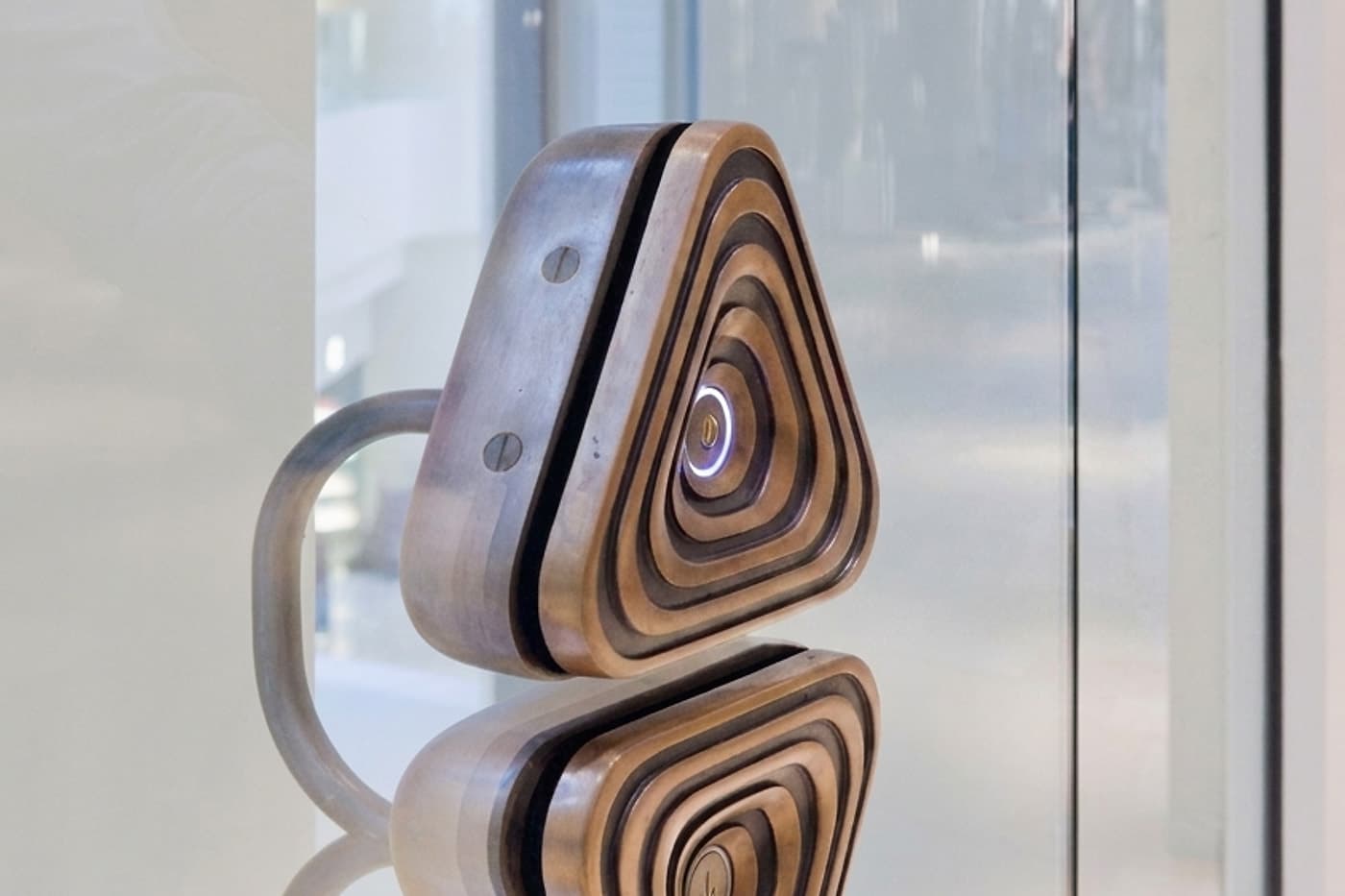
We start with evidence. Traffic analysis, equipment condition and compliance position are established before any recommendation is made, so a capital decision rests on measurement. Compliance is checked against our own annotated standards library: AS 1735 across its sub-parts, the EN 81 suite, ISO, ASME A17 and the NCC. We maintain it in-house rather than looking it up per project.
What that covers
- Conceptual and schematic design
- Design development and upgrade specifications
- Equipment condition audits
- Traffic analysis and modelling
- AS 1735 / EN 81 / NCC compliance review
- Design and Building Practitioners Act compliance
Delivered across six building types for owners and managers across Australia.
02
Lift & Escalator Project Management
End-to-end delivery of lift modernisation and escalator works, from capital approval through to defects liability, on the owner’s behalf.
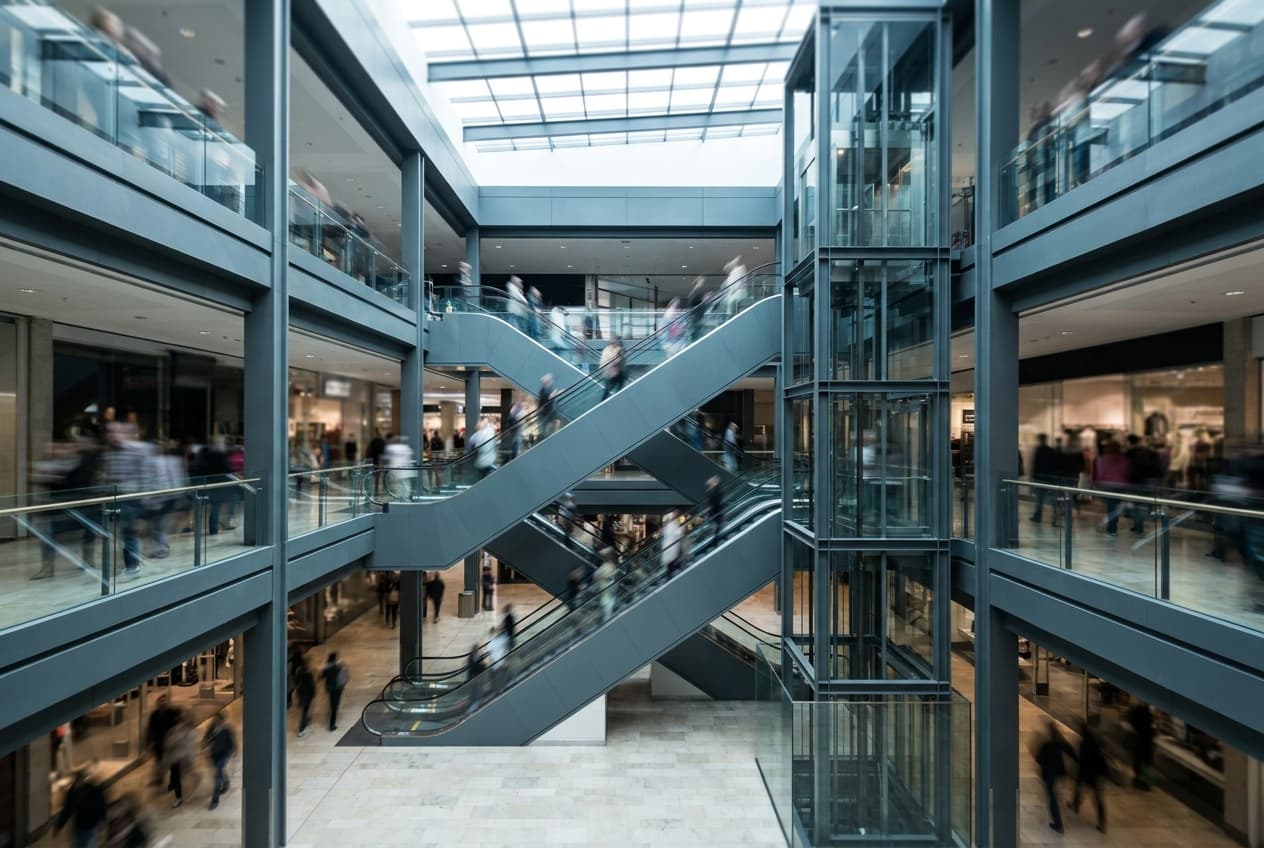
The interfaces are where a vertical transportation project is decided: between base building and lift contractor, between programme and occupancy, between specification and installation. We manage those interfaces alongside the contractor and the wider project team, so the building keeps operating while the work proceeds.
What that covers
- Project briefs
- Capital approval documentation
- Design team selection
- Tender management and evaluation
- Contract management
- Risk management
Delivered across six building types for owners and managers across Australia.
03
Maintenance Contract Audit & Management
An independent audit of the maintenance contract an owner is already paying for, then the management of it, under MAPLE, the Maintenance Assessment Program for Lifts and Escalators. First deployed in 2018 and now covering 4,800 lifts and 1,211 escalators and moving walks in 935 buildings.
Maintenance contracts are easy to sign, and performance under them is harder to see. We audit the agreement, manage it, audit the site independently and report performance live, so a portfolio owner can compare buildings, contractors and years on the same terms.
MAPLE is also available as a self-serve platform. MAPLE Ascent productises the assessment tools (traffic simulation, energy modelling, tender management) while the signed advice stays here.
mapleascent.com(opens in a new tab)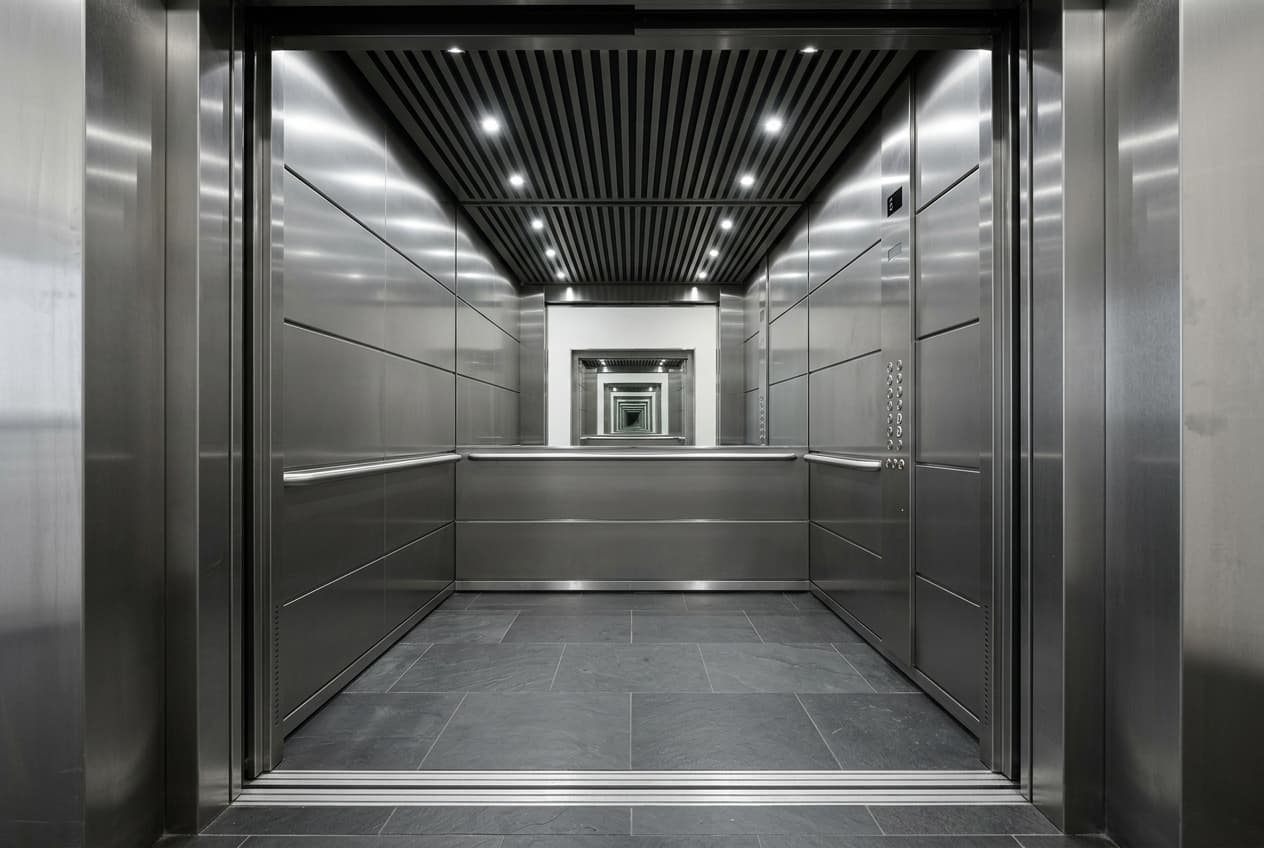
What that covers
- Maintenance agreement analysis (GTTR, MTBF, fault mode)
- Contract management and mandatory compliance reporting
- Independent site audit via our own mobile app
- Live performance dashboard: availability, response, downtime
- MAPLE™ 1 to 6 star contractor rating (in development)
- Predictive maintenance technology evaluation
Delivered across six building types for owners and managers across Australia.
Common questions
What is the difference between a lift consultant and a lift contractor?
- A lift contractor designs, supplies, installs and maintains the equipment. A consultant is engaged as the owner's technical adviser: assessing the asset, setting the specification, running the tender and administering the contract through to handover. EPM works alongside the contractor so both sides deliver against the same document.
How is a tender evaluated?
- Against published criteria, so every tenderer is assessed on the same terms and can see how the decision was reached. EPM runs each evaluation under a formal conflict declaration and signs the recommendation. A transparent process is worth as much to the contractors bidding as it is to the owner.
Who signs the engineering advice?
- A named technical authority. EPM defines internally which class of engineering opinion each person may sign, so every document carries accountability. In practice the engineer who assesses your building signs the report, and the same people stay with the project through to defects liability.
What are the stages of a lift project, and what do we get at each?
- An asset register and condition audit, a traffic study where capacity is in question, design and specification, tender, construction, then ride quality testing, handover and defects liability. A RACI, a status report, a cost plan and a variation register keep the owner and the contractor working from the same picture.
Who handles Design and Building Practitioners Act compliance?
- EPM holds that capability in house rather than referring it out. It matters on NSW work, because the Act places a duty of care and a declaration obligation on design and building practitioners, and vertical transportation design falls inside its scope.
What standards do you work to?
- AS 1735 across its 22 sub-parts, the EN 81 suite, ISO, ASME A17 and the National Construction Code. EPM maintains its own annotated copies rather than looking a clause up per project, so owners and contractors are working to the same reading of the same standard.
Next
Not sure which of those you need?
Most people aren’t. Describe the building and we’ll tell you.